Ranthambore National Park is located in the Sawai Madhopur district of Rajasthan. It was once a royal hunting ground of the Maharajas of Jaipur and later became a protected national park.
Today, it is one of India’s most famous tiger reserves and attracts wildlife lovers, photographers, birdwatchers, and nature enthusiasts from all over the world.
Why Ranthambore is Special
- Famous for Bengal tiger sightings
- Easy accessibility from Delhi and Jaipur
- Ancient Ranthambore Fort inside the forest
- Beautiful lakes and landscapes
- Rich wildlife and bird species
- Great for photography and safari experiences
2. Best Time to Visit Ranthambore
Choosing the right season is very important.
October to February (Best Weather)
- Pleasant climate
- Perfect for sightseeing
- Comfortable safari experience
- Good for families and first-time visitors
Temperature
10°C to 25°C
March to May (Best Tiger Sightings)
- Hot weather
- Animals come near water bodies
- Higher chance of tiger spotting
Temperature
30°C to 45°C
June to September
Most zones remain closed during monsoon because of heavy rain, although some buffer zones may stay open.
Recommendation
If your main goal is tiger sightings, visit between March and May.
If you want comfortable weather and sightseeing, choose November to February.
3. How to Reach Ranthambore
By Train (Most Convenient)
The nearest railway station is Sawai Madhopur Railway Station, which is well connected to:
- Delhi
- Jaipur
- Mumbai
- Kota
- Udaipur
Popular Trains
- Rajdhani Express
- Jan Shatabdi
- August Kranti Express
From the station, hotels and safari areas are around 10–20 minutes away.
By Road
From Jaipur
Distance: Approx. 180 km
Travel Time: 3.5 to 4 hours
From Delhi
Distance: Approx. 380 km
Travel Time: 7 to 8 hours
Road trips are comfortable because highways are good.
By Air
Nearest Airport:
- Jaipur International Airport
From Jaipur, you can hire:
- Taxi
- Bus
- Private cab
4. Safari Booking Guide
Safari is the main attraction of Ranthambore.
Types of Safari
1. Canter Safari
- 20-seater open bus
- Budget-friendly
- Good for groups
2. Gypsy Safari
- 6-seater open jeep
- Better wildlife experience
- More comfortable for photography
Safari Zones
Ranthambore has multiple safari zones:
- Zone 1 to Zone 10
Some zones are famous for tiger sightings, but tiger movement is unpredictable. Never trust agents who guarantee tiger sightings.
Popular Zones
- Zone 2
- Zone 3
- Zone 4
- Zone 6
Safari Timings
Morning Safari
6:00 AM to 10:00 AM
Evening Safari
2:30 PM to 6:30 PM
(Timings change according to season)
Safari Booking Tips
- Book at least 1 month in advance during peak season
- Carry original ID proof
- Reach safari gate 30 minutes early
- Wear natural-colored clothes
- Avoid loud talking during safari
5. Where to Stay in Ranthambore
There are many accommodation options available according to budget.
Luxury Resorts
Perfect for:
- Honeymoon couples
- Luxury travelers
- Wildlife photographers
Facilities
- Swimming pool
- Nature views
- Cultural programs
- Guided tours
Average Cost
₹10,000 to ₹35,000 per night
Mid-Range Hotels
Best for most travelers.
Facilities
- Clean rooms
- Good food
- Safari assistance
- Comfortable stay
Average Cost
₹3,000 to ₹8,000 per night
Budget Hotels & Hostels
Best for backpackers and solo travelers.
Average Cost
₹700 to ₹2,500 per night
Eco-Friendly Stay Recommendation
Choose hotels that:
- Use solar energy
- Avoid plastic bottles
- Practice rainwater harvesting
- Support local communities
- Use eco-friendly waste management
Eco-tourism helps protect wildlife and supports local villagers.
6. What to Eat in Ranthambore
Rajasthan is famous for delicious traditional food.
Must-Try Local Dishes
Dal Baati Churma
Classic Rajasthani dish with rich flavors.
Gatte Ki Sabzi
Gram flour dumplings cooked in spicy gravy.
Ker Sangri
Traditional desert vegetable dish.
Laal Maas
Spicy Rajasthani mutton curry.
Pyaaz Kachori
Perfect evening snack with tea.
Best Food Options Near Ranthambore
You can find:
- Traditional Rajasthani restaurants
- Rooftop cafes
- Multi-cuisine hotels
- Local dhabas
Food Budget
- Budget meal: ₹150–₹300
- Mid-range meal: ₹400–₹1000
- Luxury dining: ₹1500+
7. Places to Visit in Ranthambore
Ranthambore is not only about tiger safari. There are many beautiful attractions nearby.
8. Ranthambore Fort
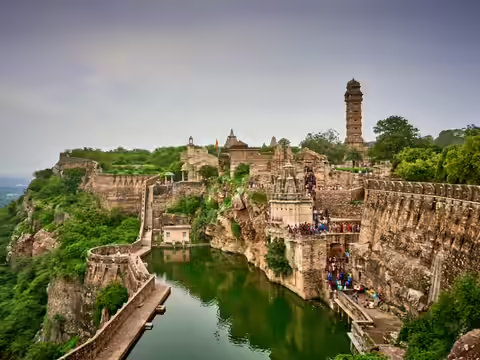
Ranthambore Fort is a historic fort located inside Ranthambore National Park in Rajasthan. Built around the 10th century, this UNESCO World Heritage Site is famous for its massive architecture, ancient temples, and breathtaking jungle views. The fort offers a perfect mix of history, nature, and adventure, making it one of the top attractions in Ranthambore. Visitors can also explore the famous Trinetra Ganesh Temple located inside the fort premises.
Why Visit
- Ancient architecture
- Scenic views
- Historical significance
- Temples and ruins
Things to Know
- Moderate trekking required
- Carry water bottle
- Wear comfortable shoes
9. Padam Talao
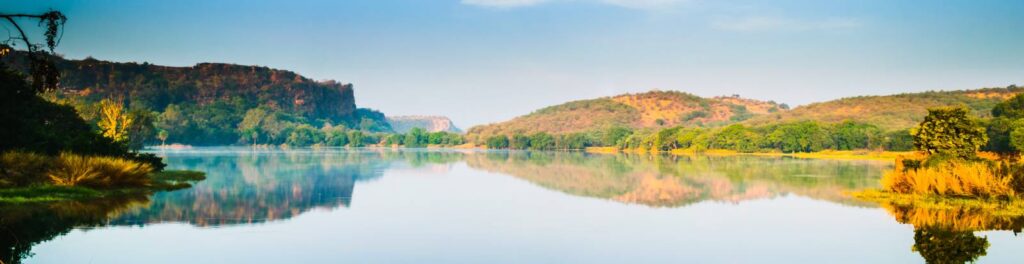
Padam Talao is the largest and most famous lake inside Ranthambore National Park. Surrounded by lush greenery and ancient ruins, the lake is known for its scenic beauty and frequent wildlife sightings, especially tigers, crocodiles, and deer. The name “Padam Talao” comes from the lotus flowers that bloom on its surface during certain seasons. It is also a popular spot for birdwatching and wildlife photography.
Highlights
- Lotus-filled lake
- Crocodile sightings
- Birdwatching
- Scenic photography

10. Raj Bagh Ruins
Raj Bagh Ruins are ancient palace ruins located deep inside Ranthambore National Park. Surrounded by dense forest and a scenic lake, these ruins create a mysterious and photogenic atmosphere that attracts wildlife photographers and nature lovers. The area is also known for frequent tiger movement, making it one of the most exciting safari spots in Ranthambore. The blend of history, architecture, and wilderness makes Raj Bagh Ruins truly unique.
Why It’s Unique
- Gives mystical jungle vibes
- Great for photography
- Frequent tiger movement nearby
11. Kachida Valley
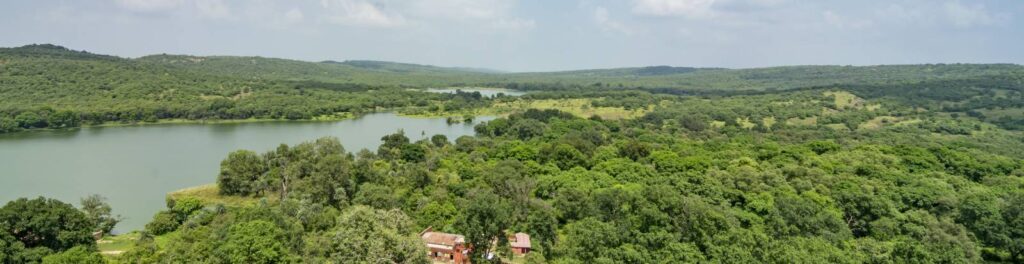
Kachida Valley is a beautiful and less crowded area located on the outskirts of Ranthambore National Park. Known for its rocky hills, dense vegetation, and peaceful environment, the valley is famous for sightings of leopards, sloth bears, and various bird species. Unlike the main safari zones, Kachida Valley offers a quieter wildlife experience and stunning natural landscapes. It is also a great destination for photography and nature exploration.
- Leopards
- Sloth bears
- Scenic hills
Less crowded compared to main safari areas.
12. Trinetra Ganesh Temple
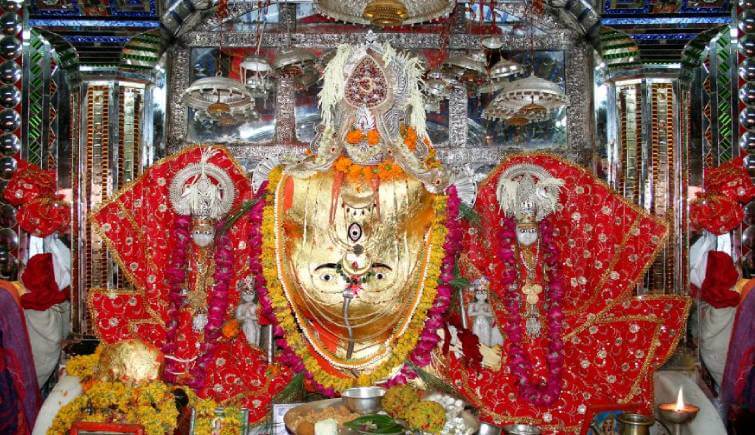
Trinetra Ganesh Temple is one of the oldest and most famous Ganesh temples in Rajasthan, located inside Ranthambore Fort. The temple is dedicated to Lord Ganesha and is known for its unique three-eyed idol, which gives the temple its name “Trinetra.” Thousands of devotees visit this sacred place every year to seek blessings and offer prayers. A special tradition of the temple is that people from across India send wedding invitations here before marriage ceremonies.
Interesting Fact
People from across India send wedding invitations to this temple for blessings.
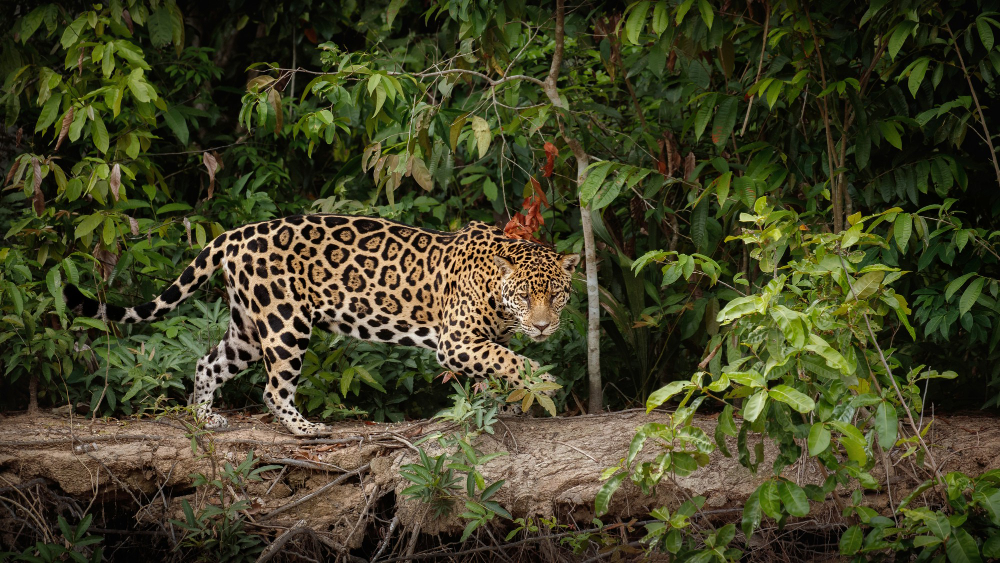
13. Wildlife You Can Spot
Ranthambore National Park is home to a rich variety of wildlife, making it one of India’s top destinations for nature and safari lovers. The park is most famous for its majestic Bengal tigers, but visitors can also spot leopards, sloth bears, hyenas, crocodiles, and deer species like sambhar and chital. Ranthambore is also a paradise for birdwatchers, with hundreds of bird species found around its lakes and forests. The diverse landscape of jungles, lakes, and rocky hills creates a perfect habitat for many wild animals.
Common Wildlife
- Leopard
- Sloth bear
- Hyena
- Jackal
- Crocodile
- Sambhar deer
- Chital
- Nilgai
- Wild boar
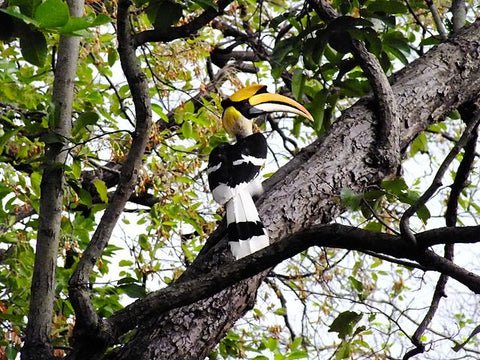
Birdwatching Paradise
Ranthambore National Park is considered a paradise for birdwatchers because it is home to more than 300 species of birds. The park’s lakes, forests, and open grasslands attract both resident and migratory birds throughout the year. Visitors can commonly spot kingfishers, peacocks, eagles, owls, painted storks, and many other colorful species during safari tours. Early morning and evening are the best times for birdwatching and wildlife photography in the park.
Popular Birds
- Kingfisher
- Owl
- Eagle
- Peacock
- Painted stork
Carry binoculars if you love birdwatching.
14. Important Precautions During Safari
Wildlife tourism should always be responsible.
Safety Rules
Do Not:
- Feed animals
- Throw plastic
- Shout loudly
- Play music
- Get down from vehicle
Always:
- Follow guide instructions
- Keep camera silent
- Respect animal space
- Stay seated during safari
Remember:
You are visiting the animals’ home.
16. What to Pack for Ranthambore
Packing correctly improves your travel experience.
Clothing
- Light cotton clothes in summer
- Jacket during winter mornings
- Neutral colors like brown, green, beige
Avoid bright colors.
Essentials
- Sunscreen
- Sunglasses
- Hat or cap
- Power bank
- Binoculars
- Camera
- Comfortable shoes
Important Documents
- ID proof
- Safari booking details
- Hotel confirmation
17. Budget Planning for Ranthambore Trip
Budget Traveler
₹4,000–₹7,000 for 2 days
Includes:
- Budget stay
- Shared safari
- Local food
Mid-Range Traveler
₹10,000–₹20,000
Includes:
- Comfortable hotel
- Gypsy safari
- Good dining
Luxury Traveler
₹30,000+
Includes:
- Luxury resort
- Private safari
- Premium experiences
18. Suggested 2-Day Itinerary
Day 1
- Reach Sawai Madhopur
- Hotel check-in
- Evening safari
- Local Rajasthani dinner
Day 2
- Morning safari
- Visit Ranthambore Fort
- Explore local market
- Return journey
19. Photography Tips for Ranthambore
If you love photography, Ranthambore is heaven.
Best Photography Time
- Early morning
- Golden sunset hours
Useful Tips
- Use zoom lens if possible
- Keep camera ready
- Avoid sudden movement
- Be patient
Sometimes the best moments appear unexpectedly.
20. Common Mistakes Tourists Make
Avoid these mistakes for a better experience.
Booking Late
Safari seats fill quickly.
Wearing Bright Colors
This disturbs wildlife.
Expecting Guaranteed Tiger Sightings
Wildlife is unpredictable.
Enjoy the forest experience itself.
Ignoring Weather Conditions
Summer safaris can be extremely hot.
Carry enough water.
21. Why Ranthambore is Perfect for Nature Lovers
Ranthambore is not just a tourist destination. It is a place where nature, wildlife, history, and conservation come together beautifully.
Watching a tiger walk freely in the jungle is an unforgettable experience. Listening to birds early in the morning, seeing ancient ruins hidden in forests, and feeling the silence of nature gives peace that city life cannot offer.
The beauty of Ranthambore lies not only in tiger sightings but also in the complete jungle experience.
Final Thoughts
A trip to Ranthambore National Park can become one of the most memorable journeys of your life if planned properly. From thrilling safaris to ancient forts and local Rajasthani culture, everything here feels unique and exciting.
Travel responsibly, support eco-friendly tourism, respect wildlife, and enjoy the beauty of nature without harming it.
Whether you are a wildlife enthusiast, photographer, adventure seeker, or someone simply looking for a peaceful escape, Ranthambore offers something special for everyone.
So pack your bags, charge your camera, and get ready to explore one of India’s finest wildlife destinations.
1. About Ranthambore National Park
Ranthambore National Park is located in the Sawai Madhopur district of Rajasthan. It was once a royal hunting ground of the Maharajas of Jaipur and later became a protected national park.
Today, it is one of India’s most famous tiger reserves and attracts wildlife lovers, photographers, birdwatchers, and nature enthusiasts from all over the world.
Why Ranthambore is Special
- Famous for Bengal tiger sightings
- Easy accessibility from Delhi and Jaipur
- Ancient Ranthambore Fort inside the forest
- Beautiful lakes and landscapes
- Rich wildlife and bird species
- Great for photography and safari experiences
2. Best Time to Visit Ranthambore
Choosing the right season is very important.
October to February (Best Weather)
- Pleasant climate
- Perfect for sightseeing
- Comfortable safari experience
- Good for families and first-time visitors
Temperature
10°C to 25°C
March to May (Best Tiger Sightings)
- Hot weather
- Animals come near water bodies
- Higher chance of tiger spotting
Temperature
30°C to 45°C
June to September
Most zones remain closed during monsoon because of heavy rain, although some buffer zones may stay open.
Recommendation
If your main goal is tiger sightings, visit between March and May.
If you want comfortable weather and sightseeing, choose November to February.
3. How to Reach Ranthambore
By Train (Most Convenient)
The nearest railway station is Sawai Madhopur Railway Station, which is well connected to:
- Delhi
- Jaipur
- Mumbai
- Kota
- Udaipur
Popular Trains
- Rajdhani Express
- Jan Shatabdi
- August Kranti Express
From the station, hotels and safari areas are around 10–20 minutes away.
By Road
From Jaipur
Distance: Approx. 180 km
Travel Time: 3.5 to 4 hours
From Delhi
Distance: Approx. 380 km
Travel Time: 7 to 8 hours
Road trips are comfortable because highways are good.
By Air
Nearest Airport:
- Jaipur International Airport
From Jaipur, you can hire:
- Taxi
- Bus
- Private cab
4. Safari Booking Guide
Safari is the main attraction of Ranthambore.
Types of Safari
1. Canter Safari
- 20-seater open bus
- Budget-friendly
- Good for groups
2. Gypsy Safari
- 6-seater open jeep
- Better wildlife experience
- More comfortable for photography
Safari Zones
Ranthambore has multiple safari zones:
- Zone 1 to Zone 10
Some zones are famous for tiger sightings, but tiger movement is unpredictable. Never trust agents who guarantee tiger sightings.
Popular Zones
- Zone 2
- Zone 3
- Zone 4
- Zone 6
Safari Timings
Morning Safari
6:00 AM to 10:00 AM
Evening Safari
2:30 PM to 6:30 PM
(Timings change according to season)
Safari Booking Tips
- Book at least 1 month in advance during peak season
- Carry original ID proof
- Reach safari gate 30 minutes early
- Wear natural-colored clothes
- Avoid loud talking during safari
5. Where to Stay in Ranthambore
There are many accommodation options available according to budget.
Luxury Resorts
Perfect for:
- Honeymoon couples
- Luxury travelers
- Wildlife photographers
Facilities
- Swimming pool
- Nature views
- Cultural programs
- Guided tours
Average Cost
₹10,000 to ₹35,000 per night
Mid-Range Hotels
Best for most travelers.
Facilities
- Clean rooms
- Good food
- Safari assistance
- Comfortable stay
Average Cost
₹3,000 to ₹8,000 per night
Budget Hotels & Hostels
Best for backpackers and solo travelers.
Average Cost
₹700 to ₹2,500 per night
Eco-Friendly Stay Recommendation
Choose hotels that:
- Use solar energy
- Avoid plastic bottles
- Practice rainwater harvesting
- Support local communities
- Use eco-friendly waste management
Eco-tourism helps protect wildlife and supports local villagers.
6. What to Eat in Ranthambore
Rajasthan is famous for delicious traditional food.
Must-Try Local Dishes
Dal Baati Churma
Classic Rajasthani dish with rich flavors.
Gatte Ki Sabzi
Gram flour dumplings cooked in spicy gravy.
Ker Sangri
Traditional desert vegetable dish.
Laal Maas
Spicy Rajasthani mutton curry.
Pyaaz Kachori
Perfect evening snack with tea.
Best Food Options Near Ranthambore
You can find:
- Traditional Rajasthani restaurants
- Rooftop cafes
- Multi-cuisine hotels
- Local dhabas
Food Budget
- Budget meal: ₹150–₹300
- Mid-range meal: ₹400–₹1000
- Luxury dining: ₹1500+
7. Places to Visit in Ranthambore
Ranthambore is not only about tiger safari. There are many beautiful attractions nearby.
8. Ranthambore Fort
Ranthambore Fort is a historic fort located inside Ranthambore National Park in Rajasthan. Built around the 10th century, this UNESCO World Heritage Site is famous for its massive architecture, ancient temples, and breathtaking jungle views. The fort offers a perfect mix of history, nature, and adventure, making it one of the top attractions in Ranthambore. Visitors can also explore the famous Trinetra Ganesh Temple located inside the fort premises.
Why Visit
- Ancient architecture
- Scenic views
- Historical significance
- Temples and ruins
Things to Know
- Moderate trekking required
- Carry water bottle
- Wear comfortable shoes
9. Padam Talao
Padam Talao is the largest and most famous lake inside Ranthambore National Park. Surrounded by lush greenery and ancient ruins, the lake is known for its scenic beauty and frequent wildlife sightings, especially tigers, crocodiles, and deer. The name “Padam Talao” comes from the lotus flowers that bloom on its surface during certain seasons. It is also a popular spot for birdwatching and wildlife photography.
Highlights
- Lotus-filled lake
- Crocodile sightings
- Birdwatching
- Scenic photography
10. Raj Bagh Ruins
Raj Bagh Ruins are ancient palace ruins located deep inside Ranthambore National Park. Surrounded by dense forest and a scenic lake, these ruins create a mysterious and photogenic atmosphere that attracts wildlife photographers and nature lovers. The area is also known for frequent tiger movement, making it one of the most exciting safari spots in Ranthambore. The blend of history, architecture, and wilderness makes Raj Bagh Ruins truly unique.
Why It’s Unique
- Gives mystical jungle vibes
- Great for photography
- Frequent tiger movement nearby
11. Kachida Valley
Kachida Valley is a beautiful and less crowded area located on the outskirts of Ranthambore National Park. Known for its rocky hills, dense vegetation, and peaceful environment, the valley is famous for sightings of leopards, sloth bears, and various bird species. Unlike the main safari zones, Kachida Valley offers a quieter wildlife experience and stunning natural landscapes. It is also a great destination for photography and nature exploration.
- Leopards
- Sloth bears
- Scenic hills
Less crowded compared to main safari areas.
12. Trinetra Ganesh Temple
Trinetra Ganesh Temple is one of the oldest and most famous Ganesh temples in Rajasthan, located inside Ranthambore Fort. The temple is dedicated to Lord Ganesha and is known for its unique three-eyed idol, which gives the temple its name “Trinetra.” Thousands of devotees visit this sacred place every year to seek blessings and offer prayers. A special tradition of the temple is that people from across India send wedding invitations here before marriage ceremonies.
Interesting Fact
People from across India send wedding invitations to this temple for blessings.
13. Wildlife You Can Spot
Ranthambore National Park is home to a rich variety of wildlife, making it one of India’s top destinations for nature and safari lovers. The park is most famous for its majestic Bengal tigers, but visitors can also spot leopards, sloth bears, hyenas, crocodiles, and deer species like sambhar and chital. Ranthambore is also a paradise for birdwatchers, with hundreds of bird species found around its lakes and forests. The diverse landscape of jungles, lakes, and rocky hills creates a perfect habitat for many wild animals.
Common Wildlife
- Leopard
- Sloth bear
- Hyena
- Jackal
- Crocodile
- Sambhar deer
- Chital
- Nilgai
- Wild boar
Birdwatching Paradise
Ranthambore National Park is considered a paradise for birdwatchers because it is home to more than 300 species of birds. The park’s lakes, forests, and open grasslands attract both resident and migratory birds throughout the year. Visitors can commonly spot kingfishers, peacocks, eagles, owls, painted storks, and many other colorful species during safari tours. Early morning and evening are the best times for birdwatching and wildlife photography in the park.
Popular Birds
- Kingfisher
- Owl
- Eagle
- Peacock
- Painted stork
Carry binoculars if you love birdwatching.
14. Important Precautions During Safari
Wildlife tourism should always be responsible.
Safety Rules
Do Not:
- Feed animals
- Throw plastic
- Shout loudly
- Play music
- Get down from vehicle
Always:
- Follow guide instructions
- Keep camera silent
- Respect animal space
- Stay seated during safari
Remember:
You are visiting the animals’ home.
16. What to Pack for Ranthambore
Packing correctly improves your travel experience.
Clothing
- Light cotton clothes in summer
- Jacket during winter mornings
- Neutral colors like brown, green, beige
Avoid bright colors.
Essentials
- Sunscreen
- Sunglasses
- Hat or cap
- Power bank
- Binoculars
- Camera
- Comfortable shoes
Important Documents
- ID proof
- Safari booking details
- Hotel confirmation
17. Budget Planning for Ranthambore Trip
Budget Traveler
₹4,000–₹7,000 for 2 days
Includes:
- Budget stay
- Shared safari
- Local food
Mid-Range Traveler
₹10,000–₹20,000
Includes:
- Comfortable hotel
- Gypsy safari
- Good dining
Luxury Traveler
₹30,000+
Includes:
- Luxury resort
- Private safari
- Premium experiences
18. Suggested 2-Day Itinerary
Day 1
- Reach Sawai Madhopur
- Hotel check-in
- Evening safari
- Local Rajasthani dinner
Day 2
- Morning safari
- Visit Ranthambore Fort
- Explore local market
- Return journey
19. Photography Tips for Ranthambore
If you love photography, Ranthambore is heaven.
Best Photography Time
- Early morning
- Golden sunset hours
Useful Tips
- Use zoom lens if possible
- Keep camera ready
- Avoid sudden movement
- Be patient
Sometimes the best moments appear unexpectedly.
20. Common Mistakes Tourists Make
Avoid these mistakes for a better experience.
Booking Late
Safari seats fill quickly.
Wearing Bright Colors
This disturbs wildlife.
Expecting Guaranteed Tiger Sightings
Wildlife is unpredictable.
Enjoy the forest experience itself.
Ignoring Weather Conditions
Summer safaris can be extremely hot.
Carry enough water.
21. Why Ranthambore is Perfect for Nature Lovers
Ranthambore is not just a tourist destination. It is a place where nature, wildlife, history, and conservation come together beautifully.
Watching a tiger walk freely in the jungle is an unforgettable experience. Listening to birds early in the morning, seeing ancient ruins hidden in forests, and feeling the silence of nature gives peace that city life cannot offer.
The beauty of Ranthambore lies not only in tiger sightings but also in the complete jungle experience.
Final Thoughts
A trip to Ranthambore National Park can become one of the most memorable journeys of your life if planned properly. From thrilling safaris to ancient forts and local Rajasthani culture, everything here feels unique and exciting.
Travel responsibly, support eco-friendly tourism, respect wildlife, and enjoy the beauty of nature without harming it.
Whether you are a wildlife enthusiast, photographer, adventure seeker, or someone simply looking for a peaceful escape, Ranthambore offers something special for everyone.
So pack your bags, charge your camera, and get ready to explore one of India’s finest wildlife destinations.
Welcome to WordPress. This is your first post. Edit or delete it, then start writing!
Hi, this is a comment.
To get started with moderating, editing, and deleting comments, please visit the Comments screen in the dashboard.
Commenter avatars come from Gravatar.